

Monitoring Station – Biological Fouling – Piping
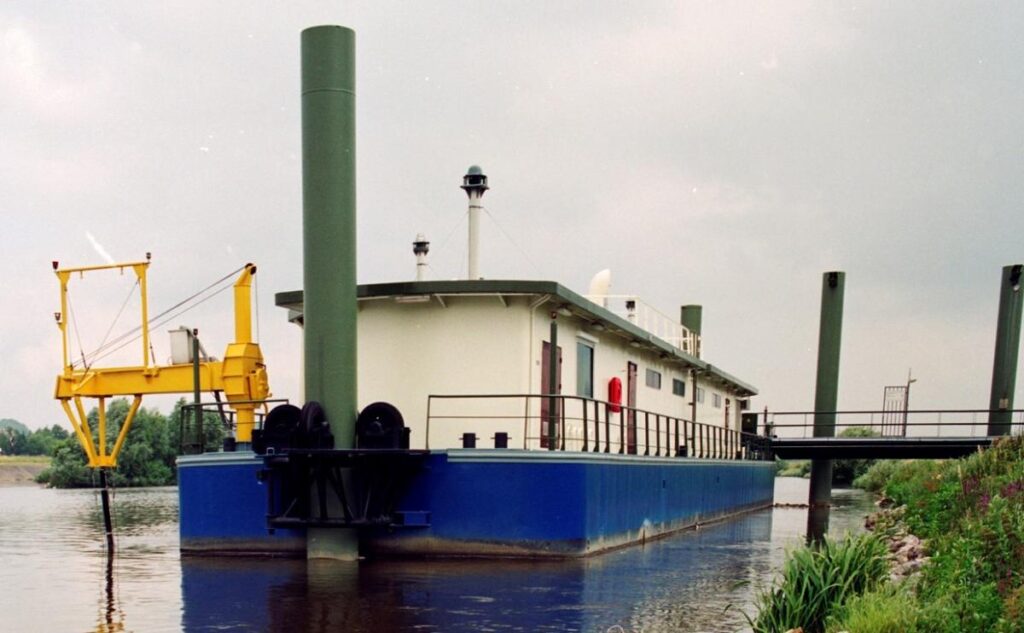
How can we keep our pipes and filters free of mussel growth without having to clean them every day? The ProblemAt an RWS monitoring station, heavy fouling caused by mussels and mineral deposits resulted in daily blockages of pipes and filters. This led to a loss of pressure, preventing the station from achieving its target […]
Research Vessel – Moonpool Trolley
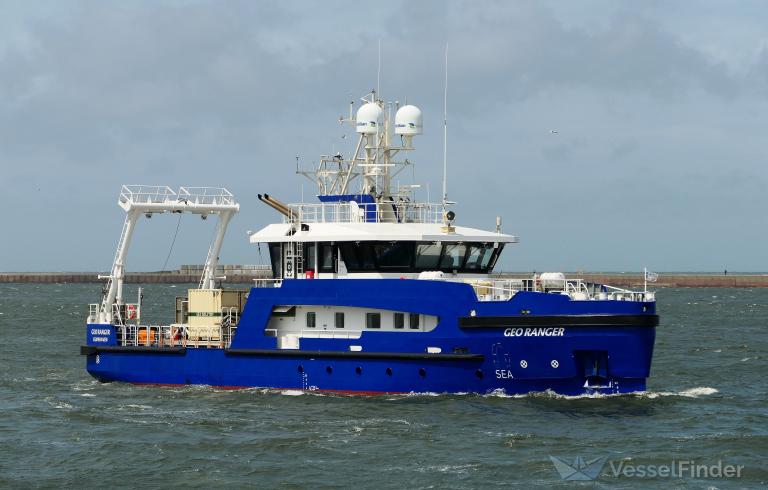
How can we prevent fouling on our moonpool trolley, even though we’re already using an antifouling coating? The problemStubborn fouling continued to form on the lower section of the customer’s moonpool trolley, despite the use of an antifouling coating. This growth compromised the accuracy and performance of the survey equipment mounted on the trolley and […]
Tugboat – Crossover
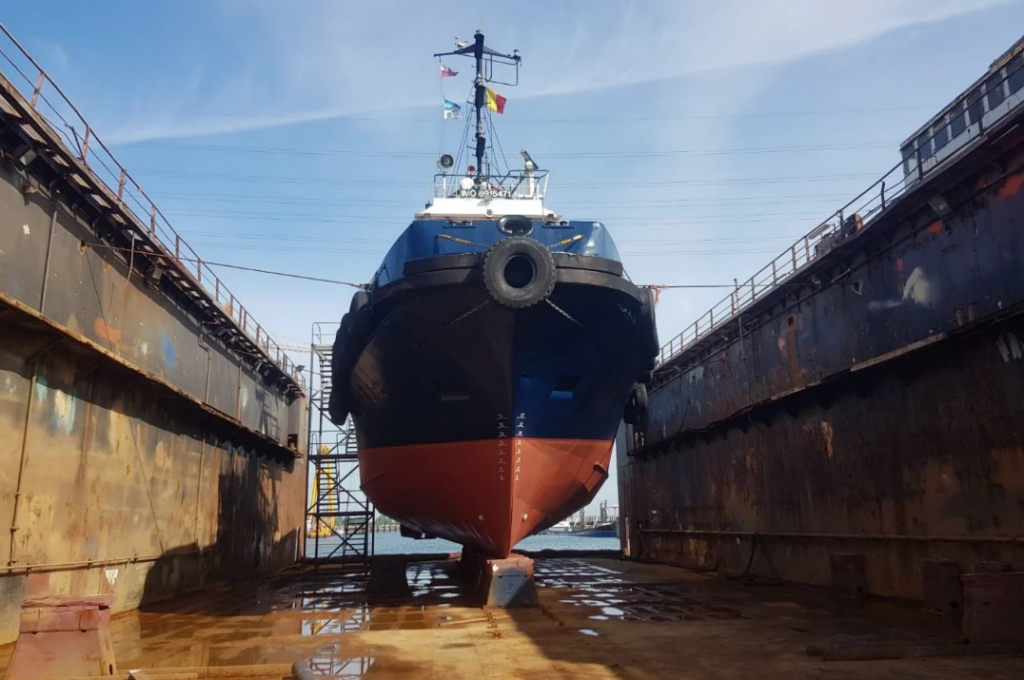
“How can we keep our tugboat’s cooling system free of fouling in saltwater, with less frequent cleaning and fewer downtimes?” The ProblemThe tugboat operates primarily in saltwater and suffered from severe, recurring fouling in its seawater cooling system, particularly in the inlets, filters (strainers), and crossover. This resulted in frequent cleaning, high maintenance costs, and […]
Fishing Vessel – Hull
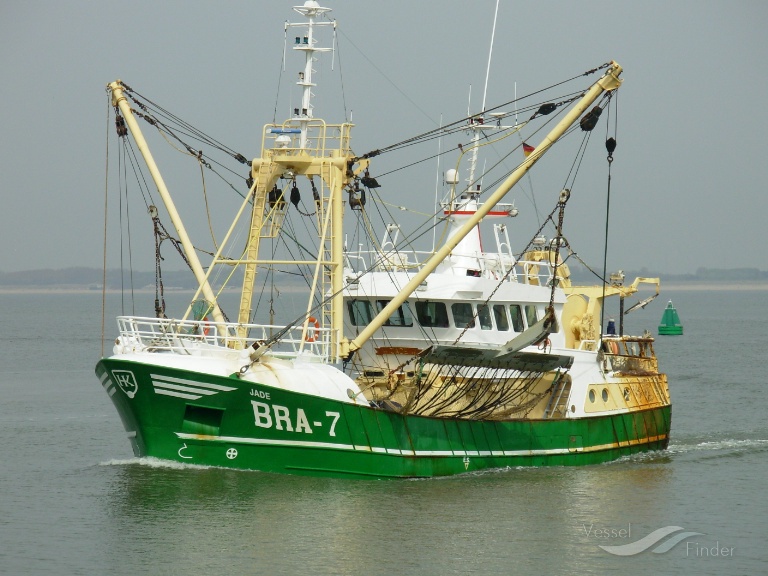
“How can we protect the hull of our fishing vessel from fouling so that we can save fuel and maintain speed?” The problemFishing vessel BRA 7 frequently operates in coastal waters, where marine fouling quickly builds up on the hull. This fouling increases hydrodynamic drag, leading to higher fuel consumption, lower speed, and a decrease […]
Piping – Scaling (gypsum deposits)
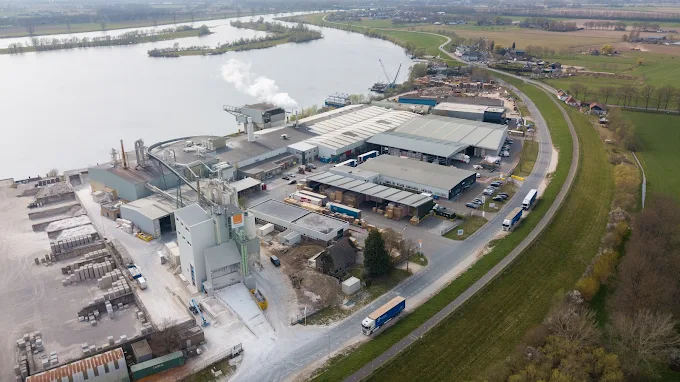
“How can we prevent scale buildup in our process water lines to ensure that flow and reliability remain optimal?” The ProblemHeavy gypsum scaling had formed on the inner walls of the process water pipe. This buildup reduced the available flow and had a negative impact on system performance. The scaling increased maintenance requirements and also […]
Cargo Ship – Box Coolers
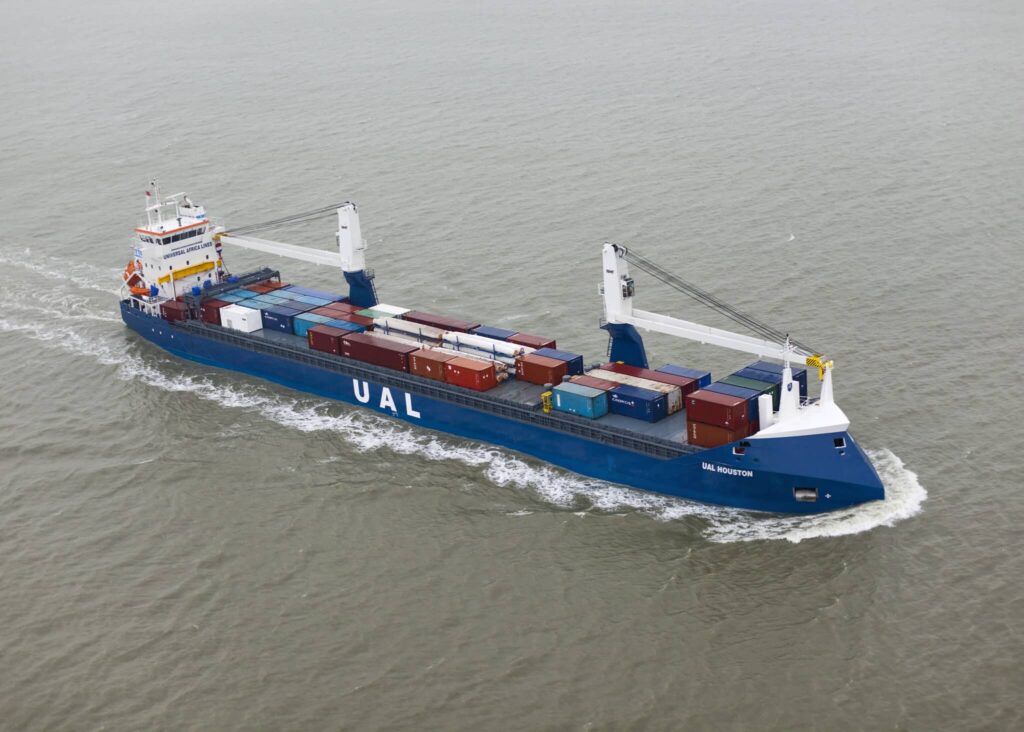
“How do we keep our box coolers free of fouling so that their cooling capacity and efficiency remain optimal?” The ProblemFouling on box coolers is a creeping but serious problem. As marine organisms attach themselves to the cooling surfaces, heat transfer decreases and overall cooling capacity drops. The result is a system that has to […]
Heat Exchanger – Biological Fouling
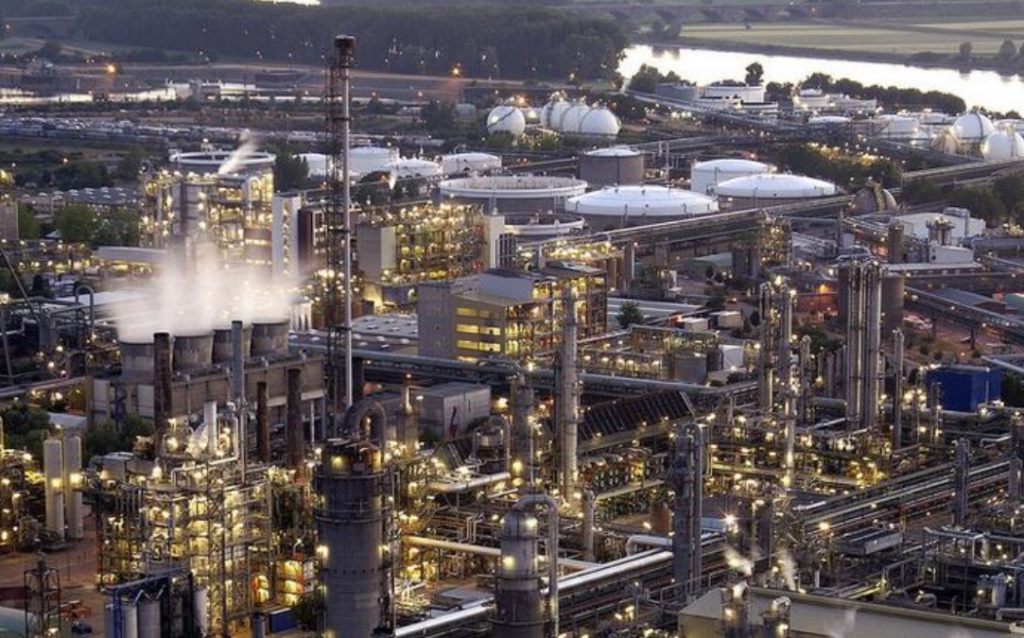
“How can we prevent our plate heat exchangers from having to be opened and cleaned every three to four weeks?” The ProblemSeawater is used as a cooling medium for critical process systems, which causes biological fouling in the plate heat exchangers. This fouling increases the pressure drop and made it necessary to open and clean […]
Patrol Vehicle – Crossover
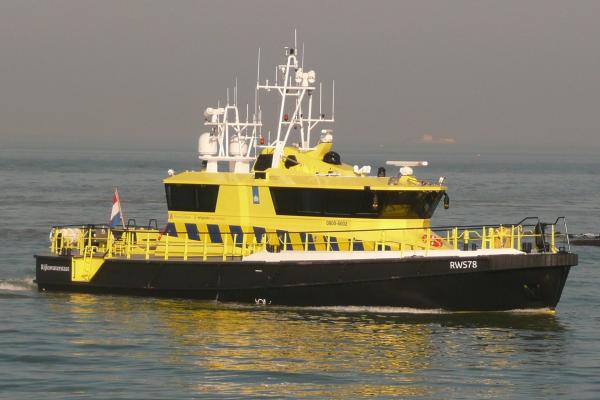
“How can we ensure that our cooling system stays clean, instead of clogging up again shortly after each cleaning?” The ProblemRijkswaterstaat’s vessels operate in Dutch waters with a high level of marine fouling. Seawater is used to cool the diesel engines via an extensive system of piping and plate coolers. Rapid biological fouling in the […]
Silencer Tank – Fiber Buildup
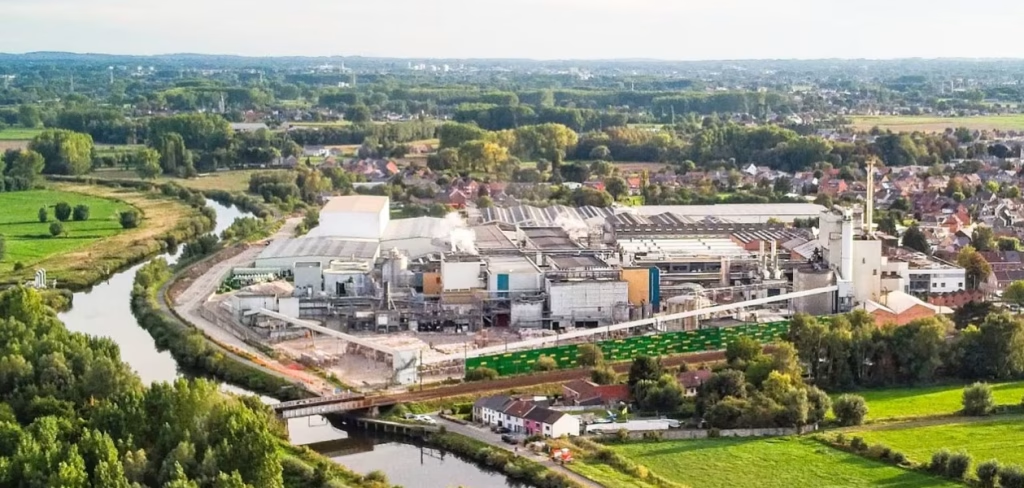
“How can we prevent paper pulp in our still tank from clumping together into blocks that disrupt our process?” The ProblemAt a paper mill, paper fibers were accumulating in the dampener tank and forming large, solid blocks. These blocks would occasionally break loose and re-enter the process. Once they reached the pulp processing stage, they […]
Research Vessel – Box Coolers
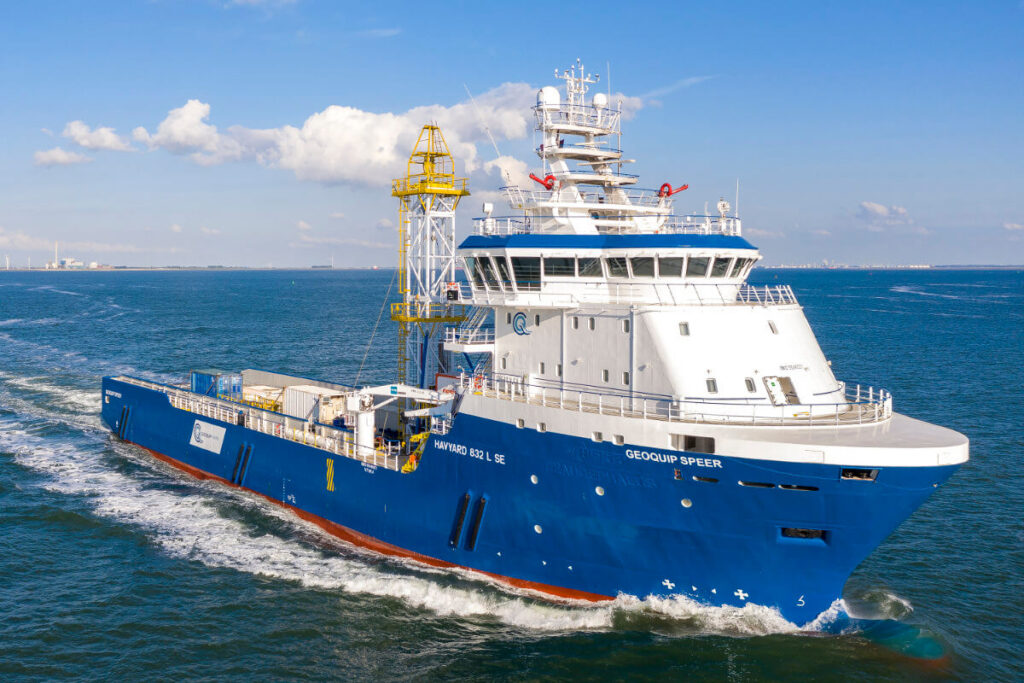
“How do we keep our box coolers free of fouling so that heat transfer and cooling performance are maintained?” The problemOn board the Geoquip Speer, marine fouling on the box coolers reduced heat transfer and overall cooling capacity. As marine fouling accumulates on the cooling surfaces, the performance of the seawater cooling system declines. This […]

